

🎉Free shipping on orders over $29.99✈️Buy More Get More Free
💵 Payments Via PayPal® and Credit Card.
😍 99.2% of customers buy 100 seeds or more
✨Priority is given to delivery after payment
✈ Can be shipped to the US, UK, Australia, Canada
🪴We are committed to providing our customers with quality, affordable seeds. 🌱
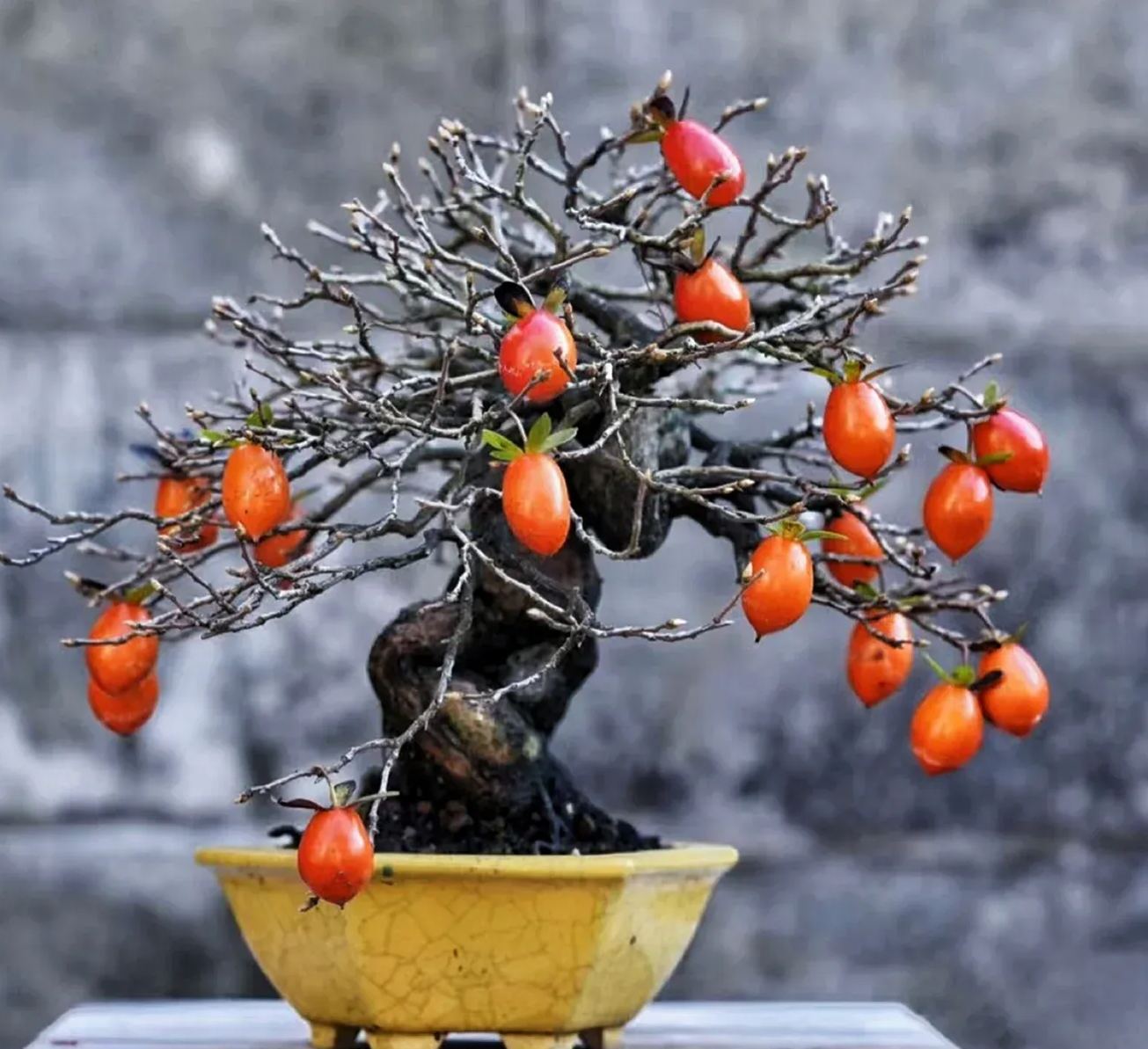
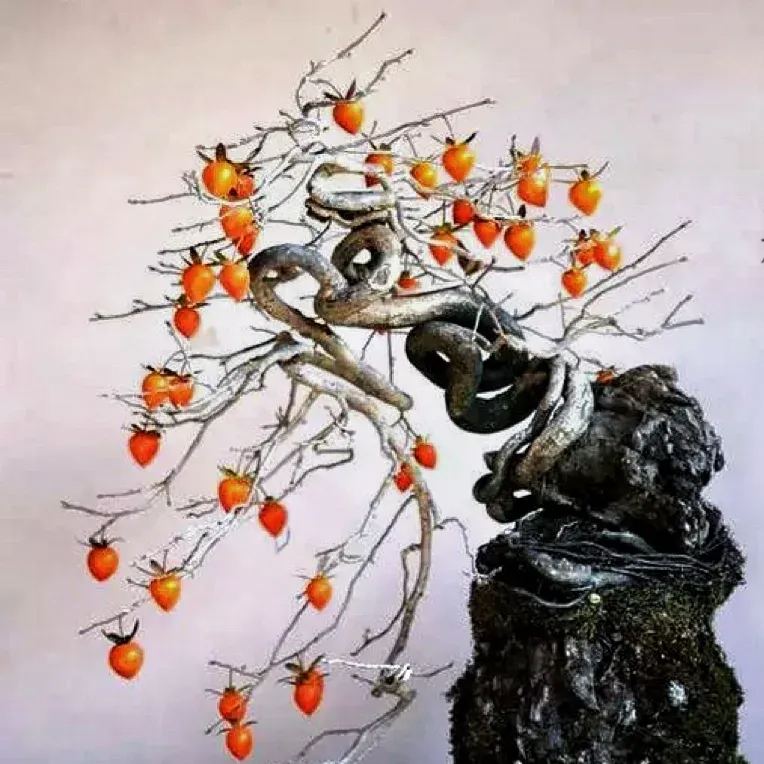
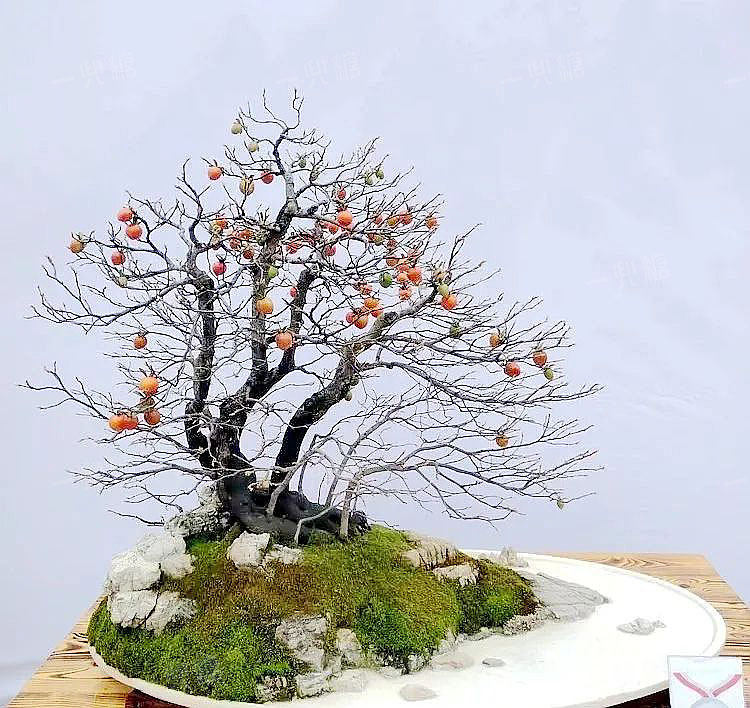
The golden marble is also called the old crow persimmon. It has high bonsai value, with different fruit shapes and beautiful colors. It is an outstanding variety among fruit viewing varieties. At the same time, it means "everything goes well", so it is deeply favored by the public.
📝 The fruits of Laoya persimmon are generally divided into three categories: red, yellow, and black in color. Each color is also divided into spotted and non-spotted. The fruit shape is mainly divided into round fruit and long fruit.
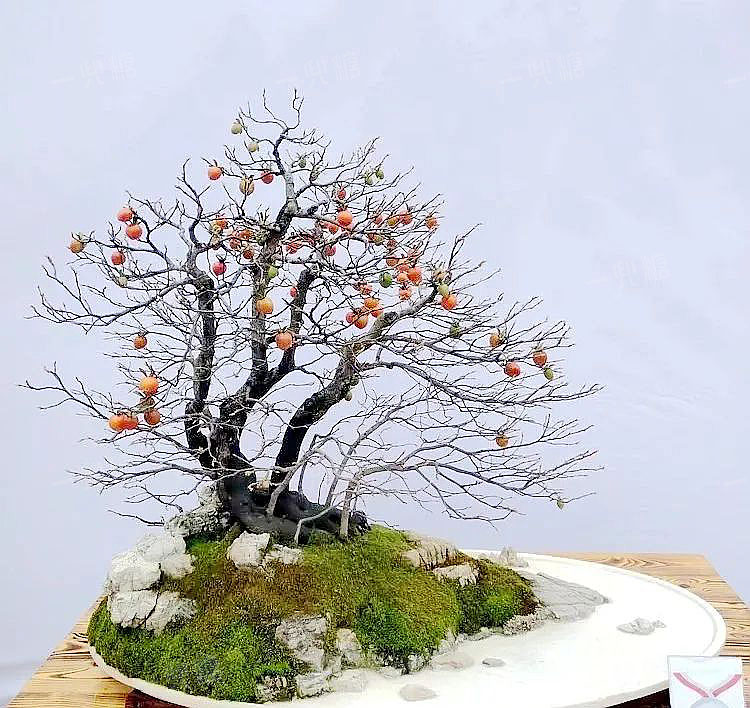
📍Maintenance of Laoya persimmon bonsai:
Light: Laoya persimmon can see light all day long in spring, autumn and winter. Sufficient light can help improve the fruiting rate. In summer, it can be properly shaded to prevent the leaves from being burned by exposure and affecting the aesthetics of the bonsai. The persimmon likes warmth and is slightly cold-tolerant. It grows well at 15-35°C and is cold-resistant to about minus 5°C in winter. It can survive the winter in the open field in warmer areas, but the persimmon maintained in cold climates must be moved indoors to keep out the cold.
Watering: It is better to keep the soil slightly moist for Laoya persimmon. Generally, it needs to be watered immediately after it becomes dry. In order to ensure the number of fruits, water must be properly controlled during the early stages of flowering and fruit bearing. Excessive watering will cause a large number of physiological fruit drops.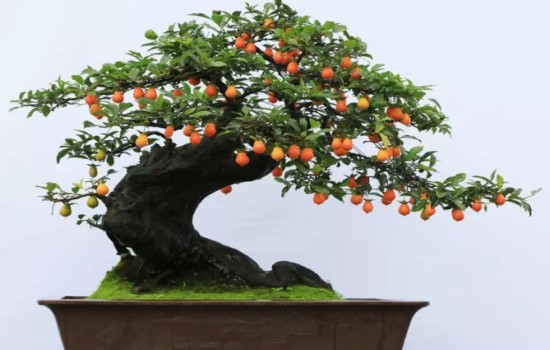
Soil: It is recommended to use loose and breathable leaf mulch soil, garden soil, and river sand for preparation. If you are planting downhill piles, you can add the original soil appropriately, which is very helpful for the survival of the pot. The persimmon can meet its growth needs in slightly acidic, neutral, and slightly alkaline soils, but it must have the ability to retain fertilizer. During the flowering and fruiting period, thin phosphorus and potassium fertilizers should be applied frequently, such as root irrigation with potassium dihydrogen phosphate or foliar fertilizer spraying to increase the number of fruits.
Pollination: Most persimmons are dioecious. If the female plant is not pollinated, although it will produce a small amount of fruit, the fruit will be very small and no seeds will be produced. In order to ensure the ornamental value of the plant, it is generally necessary to use male plants to pollinate female plants. The common method is to use a brush to dip in fresh pollen and apply it on the female flowers.